Dyslexia curriculum and programs for schools
Students with dyslexia thrive with explicit, mastery-based reading instruction in small-group settings. They benefit most from instruction that targets their individual needs and provides ongoing progress monitoring in foundational skills, including phonemic awareness, phonics, fluency, spelling, vocabulary, and comprehension.

Why choosing the right reading program is critical for students with dyslexia
The right program for students with dyslexia starts with strong Tier 1 instruction, which helps all students progress toward grade-level benchmarks, and provides intervention with extra support for foundational skills, such as phonological (and phonemic) awareness, and decoding and encoding. The program must also provide explicit, multimodal, and differentiated instruction, along a systematic continuum of skills, creating incremental steps of success that build lasting momentum and accelerate progress.
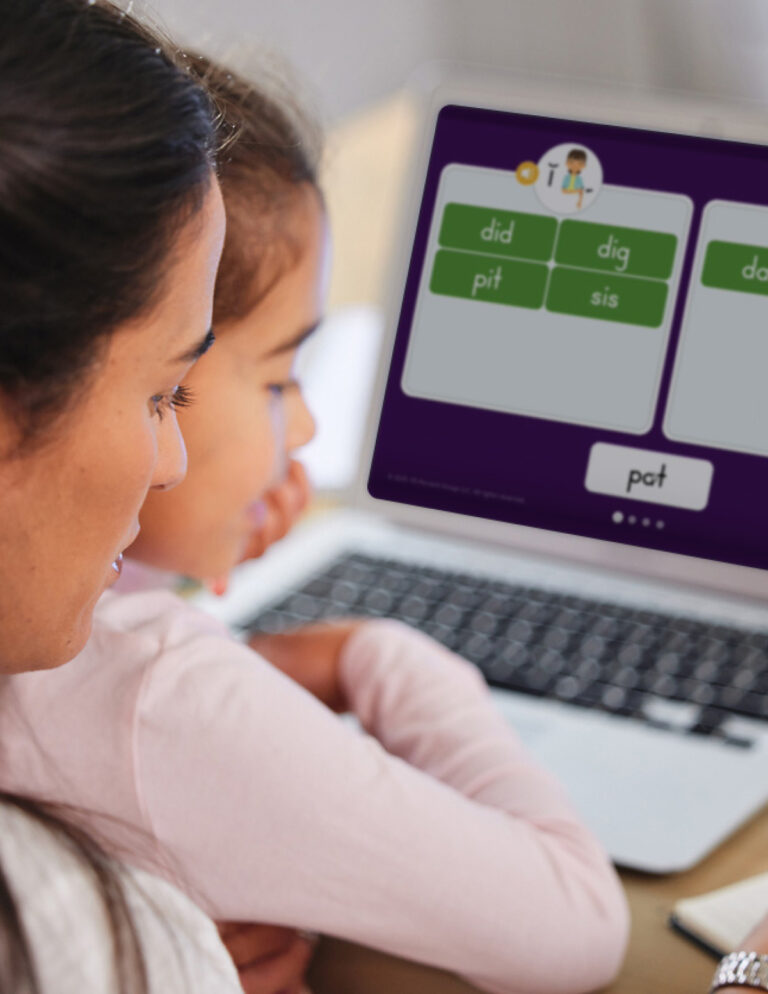
Curriculum designed for students with dyslexia
The International Dyslexia Association states that students need structured literacy resources that include several key elements for success. Implementing the right science-of-reading-based curriculum is essential to supporting strong literacy instruction for students with dyslexia. But their success relies on more than what the curriculum contains. Students must engage in instruction that is:

Systematic and cumulative
Skills move from least complex to most complex—each skill building on the last as they become more advanced

Explicit and individualized
Instruction that is clear, unambiguous, follows a gradual-release model, and is based on data

Targeted and precise
Closing skill gaps and moving students toward grade-level reading with appropriate diagnostic assessments and progress monitoring
Discover how our programs improve student outcomes
95 Tier 1 Phonics Solution
Our easy-to-use, proven solution features 95 Phonics Core Program and Sortegories, seamlessly connecting core instruction and intentional practice to support and accelerate success for all readers. Start with explicit, systematic, and cumulative Tier 1 phonics instruction for the whole class to reduce or prevent intervention needs before they arise.
95 Tier 2 Phonics Solution
95 Tier 2 Phonics Solution provides diagnostic assessment that maps to the exact skill lessons each student needs, all in our connected, end-to-end intervention solution. These tools combine real-time assessment and progress monitoring, targeted lesson delivery including new digital features, and multisensory learning to build confidence and accelerate learning.
95 Tier 3 Literacy Solution
95 Tier 3 Literacy Solution delivers intensive, Orton-Gillingham-influenced instruction in 45-minute small-group sessions tailored to individual learning needs. Central to this solution is 95 RAP™ (Reading Achievement Program), a teacher-directed digital solution designed to identify and target skill gaps to help students who need extra support, including those with dyslexia.
95 RAP is very individualized so you don’t get caught up on any one skill. Each student has their own path, and if they get stuck or you notice they are slipping, you can add in materials or strategies for reteaching to help. It really fits the needs for Tier 3 intervention.
Amber Bottoms
Professional learning is non-negotiable
Students with dyslexia need teachers with a depth of knowledge and understanding of the structured literacy approach.
“Structured literacy teaching is the most effective approach for students who experience unusual difficulty learning to read and spell printed words.” (International Dyslexia Association)

Spotlight North Carolina: One95 Literacy Ecosystem takes root
District leaders at Edgecombe County Public Schools saw that 95 Tier 3 Literacy Solution, which includes 95 RAP and professional learning, was going to have a significant impact on students’ reading skills. So they decided to roll it out across the district. They now have 95 RAP teachers and tutors in every elementary school—and even in some of their middle and high schools.
Frequently asked questions
Here are answers to frequently asked questions about 95 Tier 3 Literacy Solution.
It is based in Orton-Gillingham principles. This a multisensory approach that blends visual, auditory, and hands-on learning so students can connect sounds to letters, acquiring and applying new skills in meaningful ways.
Our program brings assessment, instruction, and progress monitoring together in one system. Teachers know where each student should begin, how to deliver lessons that match their needs, and how to measure growth. This consistency helps schools see stronger results.
Instruction begins at a level where students are supported but still challenged. Early successes build momentum and make reading feel rewarding, which helps students stay engaged and confident.
While 95 Tier 3 Literacy Solution provides intensive Orton-Gillingham-influenced instruction, many students benefit from 95 Tier 2 Phonics Solution as well. These tools help address reading difficulties earlier and can prevent the need for more intensive support later.
Assessments are built in to identify the right starting point, form small groups, and guide instruction. Ongoing progress monitoring gives teachers and administrators clear insight into student growth and program effectiveness.
Insights on dyslexia and literacy instruction

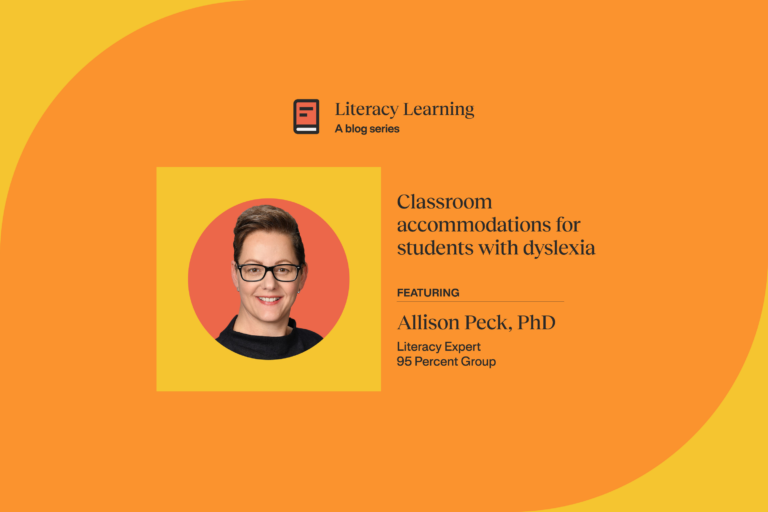

Learn with us
Looking for a program that serves your students with dyslexia and accelerates their progress? Connect with us to discover how 95 Percent Group can empower you with the instructional methods, tools, and support you need for success–and unlocking literacy for every child.